 Sagar
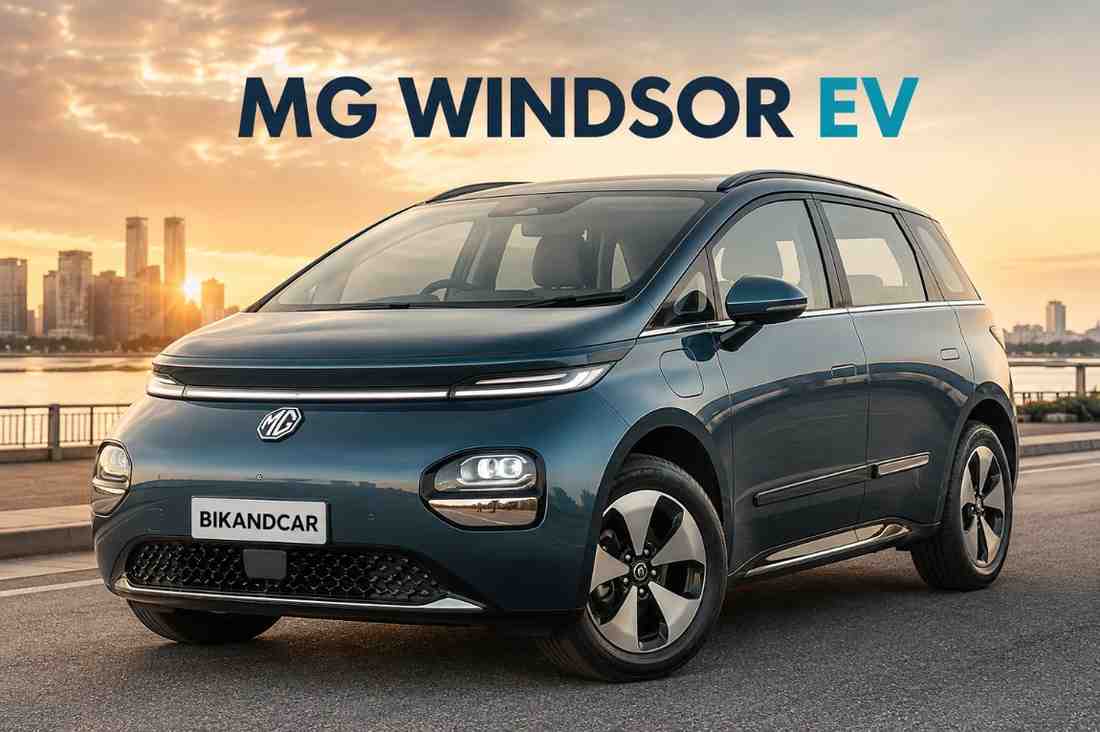
Sagar Somewhere between the SUV craze and the sudden rush of Indian buyers warming up to electric vehicles, one car quietly slipped past everyone’s expectations and became the country’s highest-selling EV. Crossing 75,000 units in under two years isn’t a small feat in a market that’s historically been cautious about going electric, and once you actually look at what’s on offer, it stops feeling surprising.
I’ve gone through the pricing history, the battery upgrades, and the feature list MG has rolled out over the past year, and there’s a lot more depth here than a quick glance at the spec sheet suggests. So here’s an honest, detail-heavy breakdown of why the MG Windsor EV keeps winning over Indian buyers, along with the trade-offs worth knowing before you book one.
1. It Popularised a Genuinely Different Way to Buy an EV
One of the biggest reasons the MG Windsor EV took off the way it did has nothing to do with horsepower or range figures — it’s the Battery-as-a-Service model. Instead of paying the full sticker price upfront, buyers can purchase the car without the battery for a significantly lower amount and pay a small per-kilometre rental fee instead.
- Standard purchase: Suits buyers who want full ownership from day one and plan to keep the car long enough that the battery cost amortises naturally.
- BaaS model: Brings the entry price of the MG Windsor EV down to under ₹10 lakh, which genuinely opens up EV ownership to buyers who’d otherwise have stayed away due to upfront cost concerns.
This flexibility is a big part of why the MG Windsor EV didn’t just attract early adopters — it pulled in genuinely price-sensitive buyers who needed a lower barrier to entry before committing to electric.
2. Two Battery Packs Give You Real Range Choice
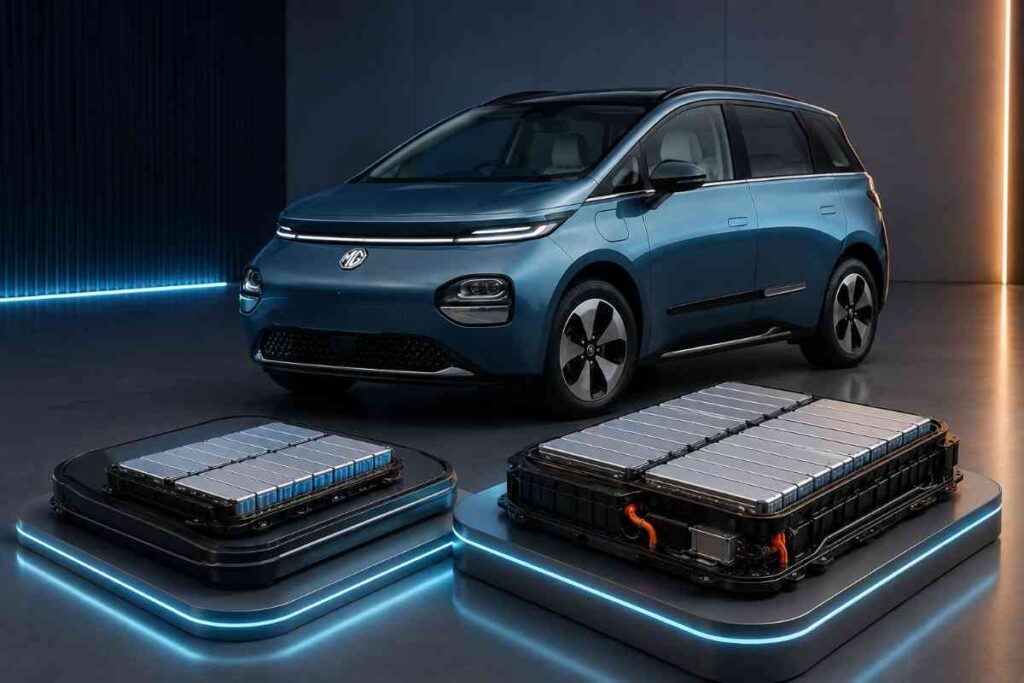
Range anxiety is still the single biggest hesitation Indian EV buyers voice, and MG addressed it head-on with the Windsor EV by offering two distinct battery options rather than forcing everyone into one configuration. The base setup uses a 38kWh pack rated for around 332 kilometres, while the larger 52.9kWh pack pushes that up to a claimed 449 kilometres.
- 38kWh variants: A sensible choice for buyers who mostly drive within city limits, with real-world range typically landing between 250 and 280 kilometres depending on driving style.
- 52.9kWh Pro variants: Better suited to buyers who make frequent intercity trips, with real-world figures generally falling in the 350 to 380 kilometre range.
Both configurations use the same 136PS, 200Nm front-mounted electric motor, so the choice comes down purely to how much range anxiety you’re willing to tolerate versus how much you’re willing to spend upfront.
3. Charging That Doesn’t Demand a Complete Lifestyle Change
A car is only as convenient as its charging experience, and this is an area where the MG Windsor EV holds up reasonably well against the competition. Using a 7.4kW AC charger, the smaller battery goes from 10 to 100 percent in roughly 6.5 to 7 hours, which fits comfortably into an overnight charging routine for most Indian households with a dedicated charging point.
For buyers without home charging access, the Pro variants support DC fast charging up to 60kW, taking the battery from 20 to 80 percent in around 50 minutes — a genuinely useful option for topping up during a highway stop rather than planning your entire day around a charger. It’s this combination of flexible home charging and reasonably quick highway top-ups that makes the MG Windsor EV feel usable for buyers who don’t have a dedicated garage setup, which describes a large share of Indian apartment dwellers.
4. A Cabin That Doesn’t Feel Like It’s Compromising on Space
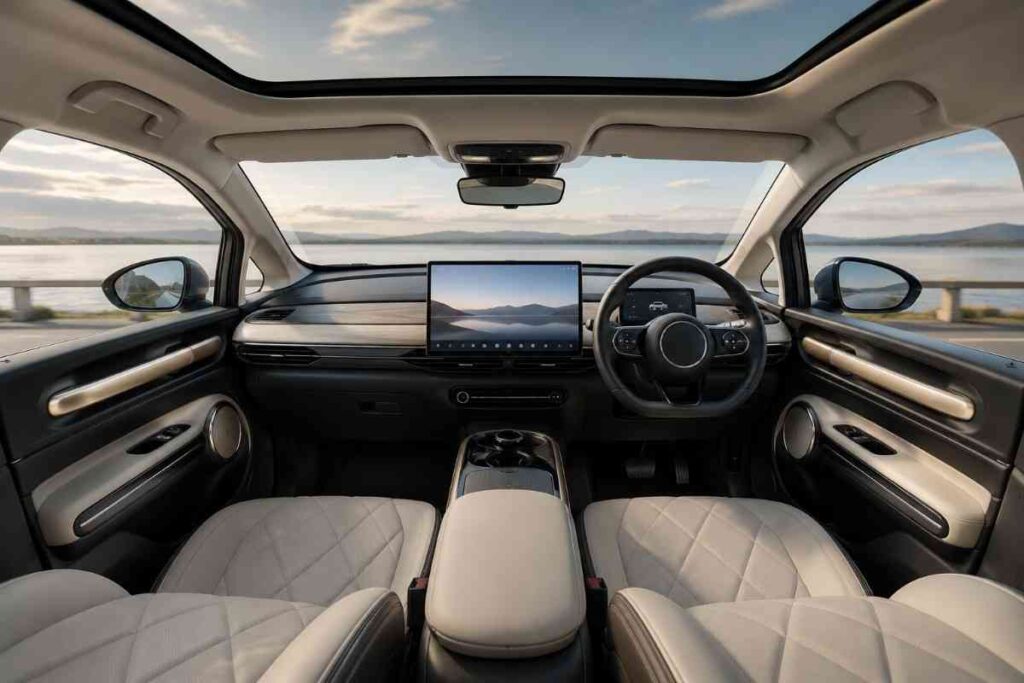
Step inside the MG Windsor EV and you’ll immediately notice this doesn’t feel like a typical compact EV squeezed to fit a tax bracket. The dashboard is dominated by a massive 15.6-inch touchscreen, one of the largest in this price segment, paired with a dual-tone interior theme that uses leatherette upholstery and a faux wood finish to feel genuinely upmarket rather than purely functional.
- 135-degree reclining rear seats, marketed as the aero-lounge setup, genuinely change how relaxing longer drives feel for rear passengers.
- A massive Infinity View glass roof floods the cabin with natural light, making the interior feel noticeably larger than the car’s actual footprint suggests.
- Boot space of up to 604 litres on the smaller battery variant comfortably beats most rivals in this price bracket, though the Pro variants trade some of that for underfloor battery packaging.
For families cross-shopping compact EVs primarily on interior comfort, the MG Windsor EV’s cabin genuinely punches above its price point.
5. Safety Tech That’s Kept Pace With Rising Buyer Expectations
Safety used to be an easy corner to cut on budget EVs, but MG hasn’t taken that shortcut with the Windsor EV. Standard safety kit includes multiple airbags, electronic stability control, and hill-hold assist across the range, giving even entry-level buyers a genuinely solid safety baseline.
Higher Pro variants step things up further with a Level 2 ADAS suite, adding features like lane-keep assistance and forward collision warnings — though it’s worth noting the ADAS package is currently reserved for the range-topping trim rather than being spread across the entire lineup, which is a fair criticism buyers have raised.
6. Five Variants Structured Around Genuinely Different Buyer Needs
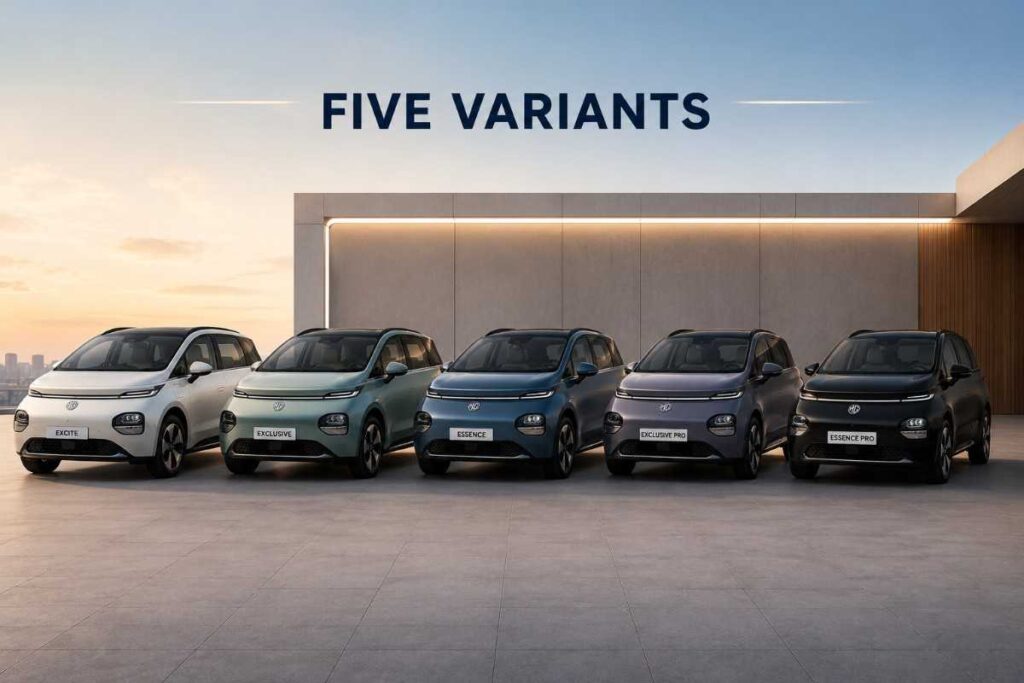
The current MG Windsor EV lineup spans five trims — Excite, Exclusive, Essence, Exclusive Pro, and Essence Pro — plus a Commute variant introduced in April 2026 specifically aimed at fleet and rental operators. This spread means the Windsor EV isn’t just chasing private buyers; it’s also positioning itself as a serious option for cab aggregators and corporate mobility programs.
For private buyers, the Exclusive Pro trim of the MG Windsor EV tends to represent the sweet spot, bringing in the larger battery and most of the comfort features without pushing all the way to the priciest Essence Pro configuration, which adds the full ADAS suite and a slightly richer sound system.
7. Running Costs That Genuinely Undercut Petrol and Diesel Alternatives
Fuel savings remain one of the strongest arguments for going electric in India, and the numbers here back that up clearly. Under the standard purchase model, running costs on the MG Windsor EV are limited to electricity charges, which work out significantly cheaper per kilometre than petrol or diesel across most Indian states.
Even under the BaaS model, where you’re paying a per-kilometre battery rental fee on top of electricity costs, the combined running cost still tends to stay competitive against a comparable petrol crossover once you factor in lower EV maintenance requirements and the absence of routine servicing items like oil changes.
8. A Warranty Package Designed to Ease First-Time EV Anxiety
Buying your first EV comes with a fair bit of psychological friction, and MG has clearly designed the Windsor EV’s ownership package around easing that specific worry. The battery comes with a lifetime warranty for first owners, which genuinely removes the single biggest fear most Indian buyers have about long-term EV ownership — battery degradation and replacement costs.
MG has also introduced an industry-first extended Assured Buy Back Programme for its electric lineup, giving buyers a guaranteed resale value path if they decide to upgrade or switch back to a conventional vehicle down the line. For buyers still on the fence about going electric, this kind of safety net matters more than another few kilometres of claimed range.
9. Design That Doesn’t Look Like Every Other Crossover on the Road
Styling is subjective, but there’s no denying the MG Windsor EV has carved out a distinct visual identity in a market full of similarly shaped crossovers. The aerodynamic, almost egg-like silhouette is paired with connected LED light bars, an illuminated MG logo on the bonnet, and flush-fitting door handles that give it a noticeably premium road presence for the price.
The 18-inch alloy wheels on higher trims fill out the wheel arches nicely, and the overall proportions manage to look distinctly modern without leaning into the aggressive styling cues most rivals seem to default to. If you want an EV that doesn’t blend into a parking lot full of similarly shaped SUVs, the MG Windsor EV is genuinely one of the more distinctive options available.
10. Consistent Price Adjustments Show a Brand Reacting to Real Demand
It would be easy to view repeated price hikes as a negative, but there’s a case to be made that they actually reflect strong, sustained demand for the MG Windsor EV rather than a manufacturer testing pricing elasticity. Since launch, pricing has moved from an introductory range to the current ₹14 lakh to ₹19 lakh bracket for private buyers, largely tracking rising input costs alongside genuine sales momentum.
That said, buyers should go in with realistic expectations. Multiple price revisions within a single year can catch early researchers off guard if they’re working off outdated figures from a few months back, so it’s worth checking current MG Windsor EV pricing directly before finalising a booking rather than relying on older comparisons.
Frequently Asked Questions About the MG Windsor EV
Buyers researching the MG Windsor EV tend to circle back to the same handful of questions, so here are straightforward answers to the ones that come up most often.
What is the price range of the MG Windsor EV in India?
As of mid-2026, private buyers can expect pricing between roughly ₹14 lakh and ₹19 lakh, ex-showroom, depending on battery size and variant, with the Battery-as-a-Service option bringing the entry price below ₹10 lakh.
Which battery option should I choose for the MG Windsor EV?
The 38kWh pack suits buyers who mostly drive within city limits, while the 52.9kWh Pro variant makes more sense for buyers who frequently travel between cities and want a longer real-world range buffer.
Does the MG Windsor EV come with ADAS?
Yes, but currently only on the range-topping Essence Pro variant, which includes a Level 2 ADAS suite with lane-keep assistance and collision warnings.
Is the Battery-as-a-Service model actually worth it for the MG Windsor EV?
It depends on your monthly driving distance. Low-mileage users often save money under BaaS, while high-mileage owners may find outright battery ownership more economical over several years.
Final Thoughts
The MG Windsor EV didn’t become India’s best-selling electric car by accident — it earned that position by removing the specific friction points that kept cautious buyers away from EVs in the first place, from upfront cost anxiety to battery degradation fears. Between its flexible ownership models, genuinely spacious cabin, and a warranty package built around long-term peace of mind, the Windsor EV addresses real concerns rather than just chasing spec-sheet bragging rights. If you’re seriously considering an electric crossover in India this year, the MG Windsor EV remains one of the most well-rounded options worth experiencing firsthand before you decide.

 Sagar
Sagar
Interesting to see how the MG Windsor EV is resonating with buyers. What features do you think are most appealing?