
 Sagar
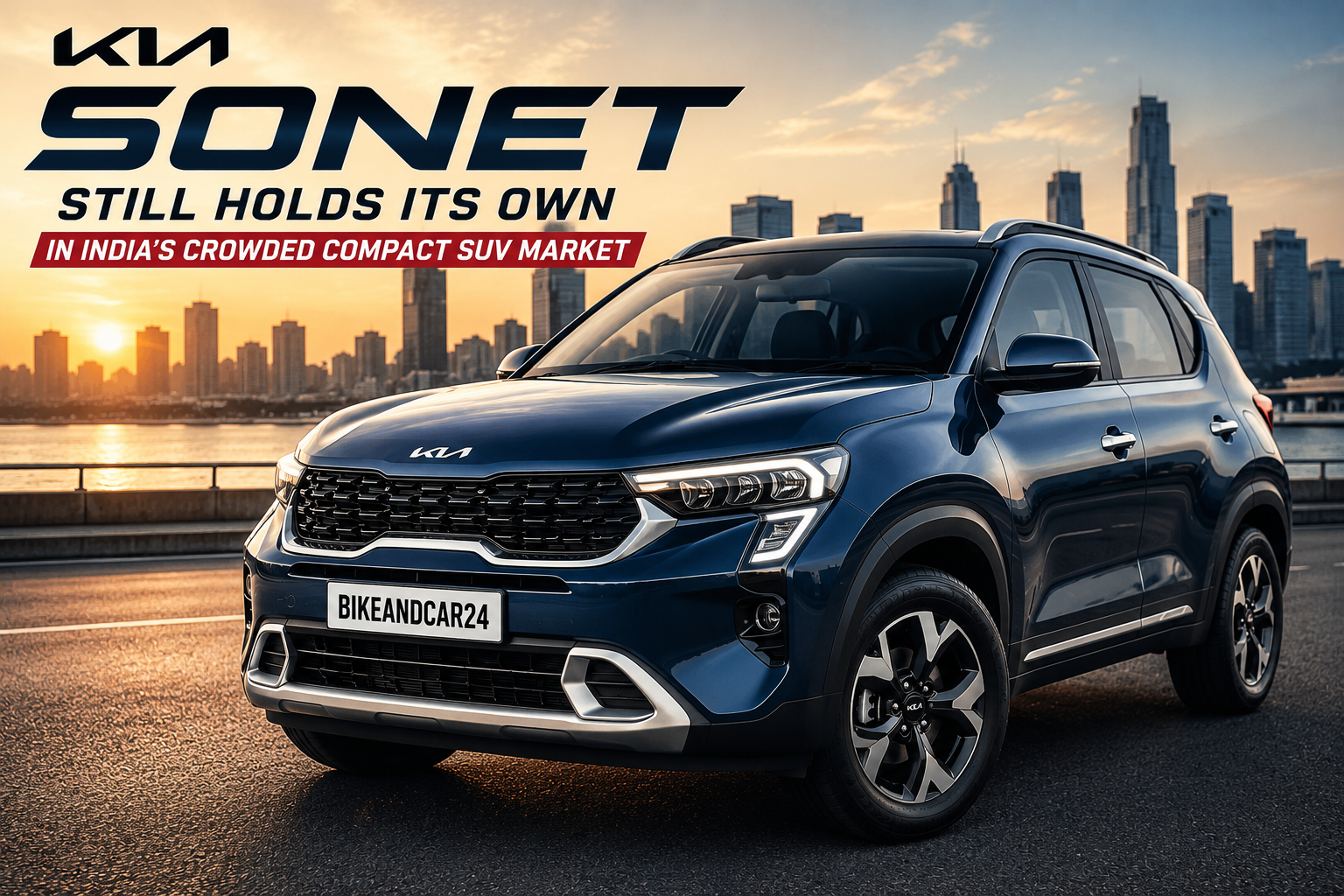
Sagar Walk into any Kia Sonet showroom in India today, and you’ll notice something interesting — the Kia Sonet still pulls in a steady stream of buyers, even with newer rivals like the Skoda Kylaq and Mahindra XUV 3XO crowding the same shelf. That’s not nostalgia talking. Kia has kept updating the Sonet’s engine lineup, pricing, and tech package almost every few months, and the result is a compact SUV that refuses to feel outdated.
I’ve spent time going through what the 2026 Kia Sonet actually offers on paper and in showrooms, and honestly, a few things stood out that don’t get talked about enough. So here’s an honest, detail-heavy look at why the Kia Sonet keeps finding its way onto Indian shortlists — plus where it genuinely falls short, because no car deserves a one-sided review.
1. Three Engines, Multiple Gearboxes — Real Choice, Not Just Marketing
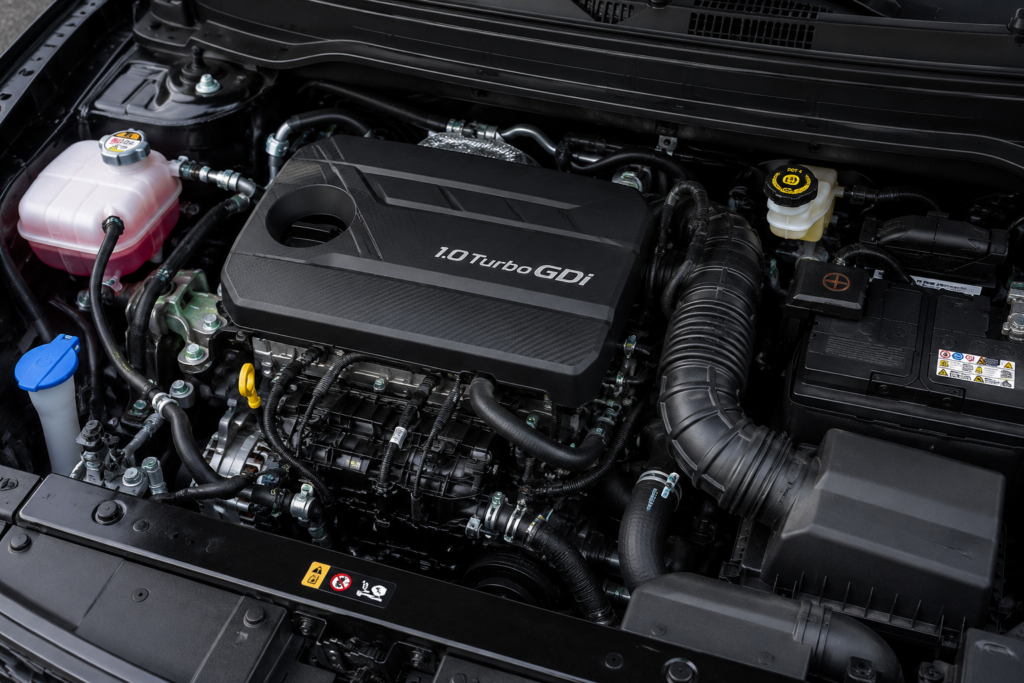
Most sub-4-metre SUVs give you one or two engine options and call it a day. The Kia Sonet doesn’t play that game. You get an 88hp 1.2-litre naturally aspirated petrol, a 120hp 1.0-litre turbo-petrol, and a 116hp 1.5-litre diesel — three genuinely different characters under one badge.
• 1.2L petrol with 5-speed manual: The no-fuss option for buyers who mostly drive within city limits and want low running costs without overthinking it.
• 1.0L turbo-petrol with 7-speed DCT or 6-speed iMT: This is where the Kia Sonet gets fun — quick off the line, eager on the highway, and honestly one of the more engaging engines in this price bracket.
• 1.5L diesel with manual or automatic: Built for buyers who clock serious highway kilometres and want that low-end torque diesel engines are known for.
Kia recently made the automatic versions of both the diesel and turbo-petrol engines available on lower trims too, which is a genuinely useful update — it means you no longer need to shell out for a fully loaded variant just to get an automatic gearbox.
2. It Still Looks Sharper Than Most of Its Segment
Design is subjective, sure, but ask around and you’ll find a lot of people still consider the Kia Sonet one of the better-looking compact SUVs on Indian roads. The Tiger Nose grille, the crown jewel LED headlamps, and the Star Map LED DRLs give it a road presence that punches above its size. It doesn’t try to look aggressive for the sake of it — it just looks put together.
Even the rear gets attention most rivals skip, with a sporty spoiler and tail lamp detailing that keeps the whole silhouette consistent front to back. If styling matters to you as much as spec sheets do, this is genuinely one of the stronger arguments in the Sonet’s favour
3. A Tech-Loaded Cabin That Doesn’t Feel Cut-Price
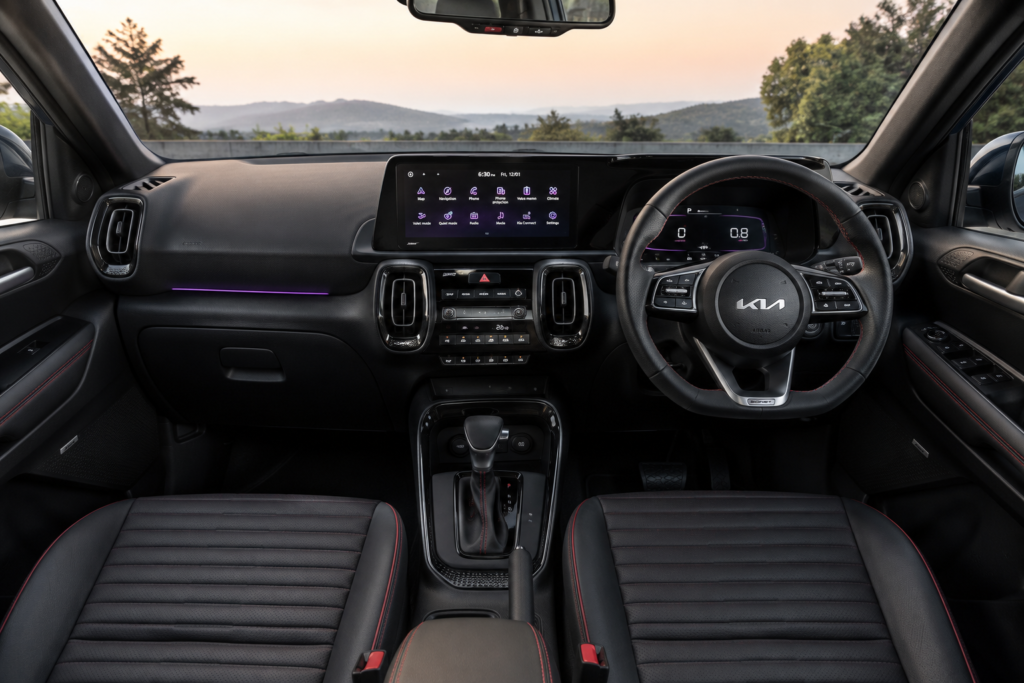
Sit inside a top-spec GTX+ trim and you’ll find a 10.25-inch touchscreen paired with an equally sized fully digital instrument cluster — a combination that used to be reserved for cars costing several lakhs more just a few years back. Add a Bose seven-speaker sound system, ventilated front seats, and an air purifier, and the cabin starts feeling genuinely premium rather than just “loaded on paper.”
What I appreciate here is that Kia hasn’t just thrown in features for the sake of a longer brochure list — most of what’s included actually gets used daily, whether that’s the wireless charging pad or the connected car app that lets you check fuel levels and lock the doors remotely from your phone.
4. Safety Has Finally Caught Up With the Feature List
For years, the Kia Sonet’s biggest weakness on paper was safety tech lagging behind its flashy cabin. That’s changed. The current lineup now includes Level 1 ADAS with ten features on the GTX+ variant, covering things like forward collision warning and lane departure alerts.
• Six airbags are available across higher variants, a meaningful jump from the two-airbag setups still common lower down the segment.
• Electronic stability control and hill-hold assist come standard on most trims, useful given how many Indian cities still have steep flyovers and unpredictable traffic.
• A 360-degree camera with blind view monitor makes tight parking and lane changes considerably less nerve-wracking, especially for newer drivers.
It’s not the segment leader on ADAS just yet, but it’s no longer trailing behind either, and that shift matters a lot to Indian buyers who’ve become far more safety-conscious over the last few years.
5. Nine Trims Sounds Excessive, But It Actually Helps
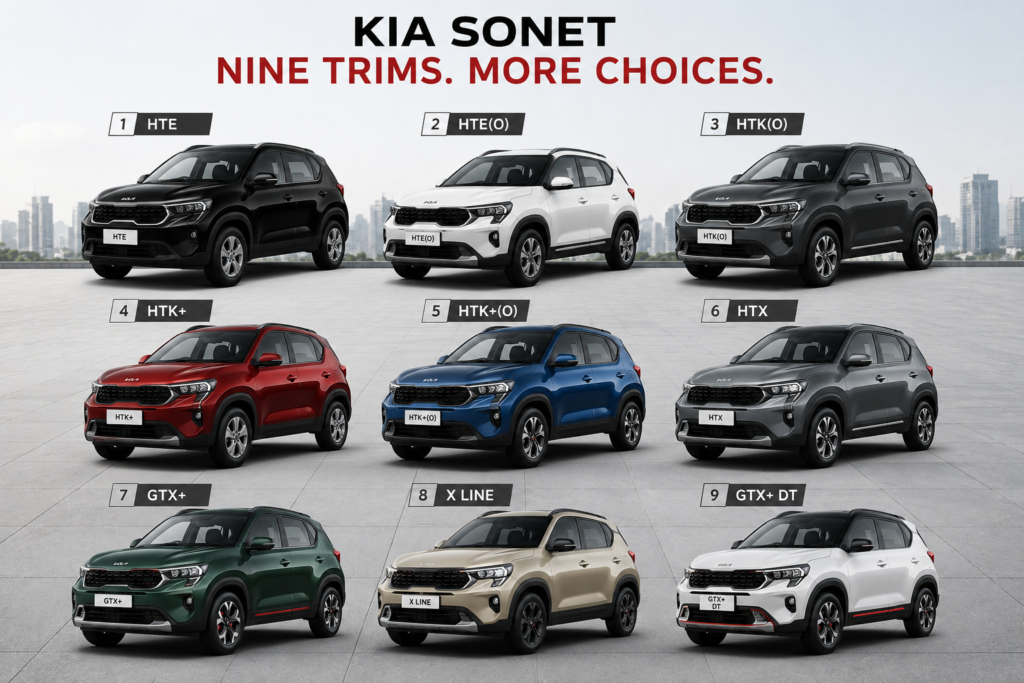
At first glance, the Kia Sonet having nine trim levels — HTE, HTE(O), HTK(O), HTK+, HTK+(O), HTX, GTX+, and X Line — feels like overkill. But once you actually sit down to configure one, it starts making sense. You’re not forced to pay for a sunroof just to get an automatic gearbox, or vice versa, the way some rivals structure their lineups.
The HTX variant, priced from around ₹11.33 lakh, is where things start feeling genuinely well-rounded — ventilated seats, cruise control, rear disc brakes, and the air purifier all come in around this trim, making it a sensible middle ground for buyers who don’t want to stretch to the flagship GTX+.
6. Diesel Is Still on the Table, and That’s Rare Now
A lot of rivals have quietly dropped diesel engines from their lineups in the past couple of years, chasing cleaner emissions norms and simpler production. The Kia Sonet hasn’t. It still offers a proper 1.5-litre diesel with both manual and automatic options, which matters if you’re someone who drives 1,500-2,000 kilometres a month and diesel’s fuel efficiency actually moves the needle on your monthly budget.
Kia recently dropped the diesel automatic down to the HTE(O) trim as well, cutting nearly ₹3.5 lakh off what you used to pay to get that combination. For buyers who specifically want a diesel-automatic small SUV, options in India have genuinely narrowed, so this is worth knowing.
7. It Drives Better Than Its Size Suggests
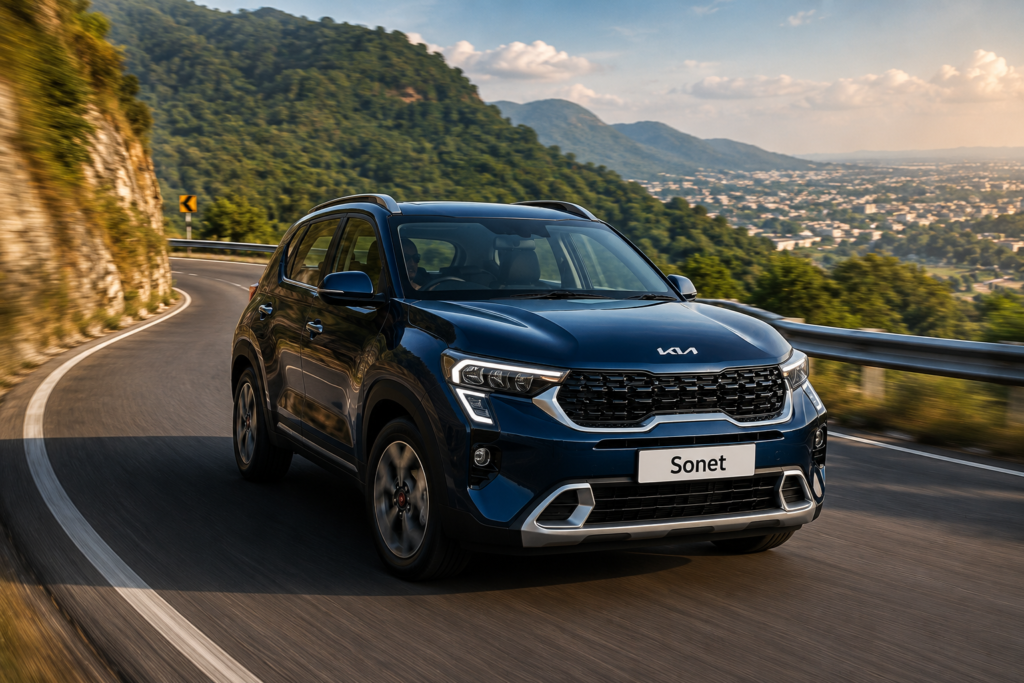
On paper, sub-4-metre SUVs often feel like a compromise — squeezed proportions built around a tax bracket rather than genuine engineering intent. The Kia Sonet manages to sidestep that feeling on the road. The turbo-petrol variant in particular feels noticeably quicker than its rivals, and the steering has a reassuring weight to it at highway speeds that a lot of small SUVs simply don’t manage.
Ride quality leans slightly firm, which some buyers love for the connected feel it gives around corners, while others coming from softer-riding rivals might find it a touch stiff over bad patches of road. It’s a fair trade-off, and one worth experiencing on a proper test drive rather than taking anyone’s word for it, mine included.
8. Resale Value and Ownership Costs Remain Sensible
Kia hasn’t been in India as long as Maruti or Hyundai, but the brand has built enough trust over the past five years that resale values on the Kia Sonet have held up reasonably well, especially on well-maintained automatic variants. Service costs sit in a comparable range to other mainstream brands, and Kia’s dealer network, while smaller than Hyundai’s, has expanded significantly across tier-2 cities in the last couple of years.
•Turbo-petrol variants tend to hold value slightly better thanks to stronger demand in the used car market.
•Diesel variants appeal to a smaller but consistent buyer pool who specifically search for them second-hand.
•Warranty and service packages are competitive, and extended warranty options add peace of mind for buyers planning to keep the car long-term.
None of this makes the Kia Sonet a standout on ownership costs, but it’s solidly in line with what buyers expect from a mainstream compact SUV in this price range.
9. Frequent Updates Keep It From Feeling Stale
What’s genuinely impressive is how often Kia tweaks the Sonet’s pricing and variant structure to stay relevant, rather than letting it coast on old glory. Between new colour options, more accessible automatic transmissions, and periodic feature additions, the lineup rarely feels frozen in time the way some ageing nameplates do.
There’s also a next-generation Kia Sonet reportedly in development, expected to move to Kia’s newer K1 platform shared with the Syros and Venue, which should bring a larger cabin and bigger displays whenever it eventually arrives. Until then, though, the current Sonet remains a genuinely competitive package rather than something buyers should hold off on.
10. It Still Has an Identity of Its Own
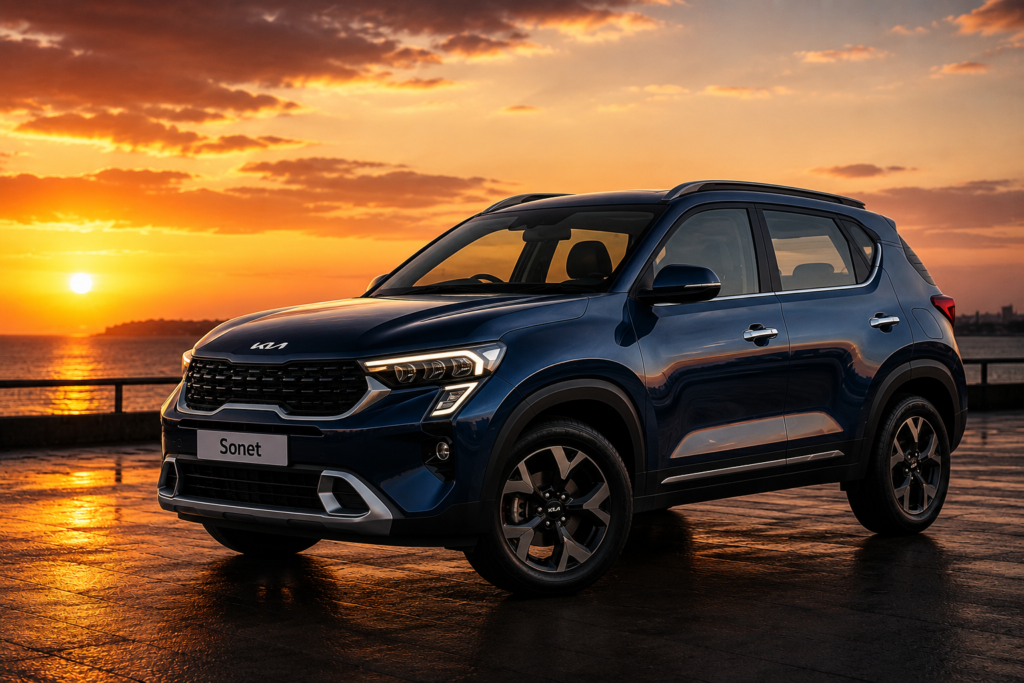
With so many compact SUVs starting to look and feel interchangeable, the Kia Sonet has managed to hold onto a distinct character — bold styling, a genuinely tech-forward cabin, and an engine lineup that actually gives buyers meaningful choice instead of a single default option. That’s not nothing in a segment this crowded.
To be fair, it’s not flawless. Rear seat space is adequate rather than class-leading, boot space could be more generous, and the ride can feel firm for buyers used to softer suspension setups. These are worth checking on a test drive rather than dismissing outright, but they shouldn’t overshadow just how much the Kia Sonet gets right for the price.
Frequently Asked Questions About the Kia Sonet
• Kia SonetIs the Kia Sonet a good choice for a first-time SUV buyer in India
Yes, particularly if you want strong styling and a feature-rich cabin without stretching your budget toward a midsize SUV. The wide trim range makes it easy to pick a variant that fits your actual needs.
• Which Kia Sonet variant offers the best value for money?
The HTX trim is often recommended, since it brings in ventilated seats, cruise control, and rear disc brakes without pushing buyers toward the priciest GTX+ variant
• Does the Kia Sonet still offer a diesel engine option?
Yes, unlike several rivals that have dropped diesel entirely, the Kia Sonet continues to offer a 1.5-litre diesel with both manual and automatic gearbox choices.
• Is the Kia Sonet safe for Indian road conditions?
Higher variants now include Level 1 ADAS, six airbags, and a 360-degree camera, making safety one of the areas that has genuinely improved in recent updates.
Final Thoughts
The Kia Sonet isn’t the newest name in India’s compact SUV segment anymore, but it’s aged into something more interesting than a simple sales chart entry — a genuinely well-rounded SUV that keeps evolving instead of resting on its early reputation. Between the engine variety, the tech-loaded cabin, and styling that still turns heads, the Kia Sonet earns its spot on almost any serious shortlist in this segment. If you’re comparing compact SUVs in India this year, it’s worth spending a proper afternoon behind the wheel of a Sonet before you rule it out in favour of something newer.

 Sagar
Sagar