
 Sagar
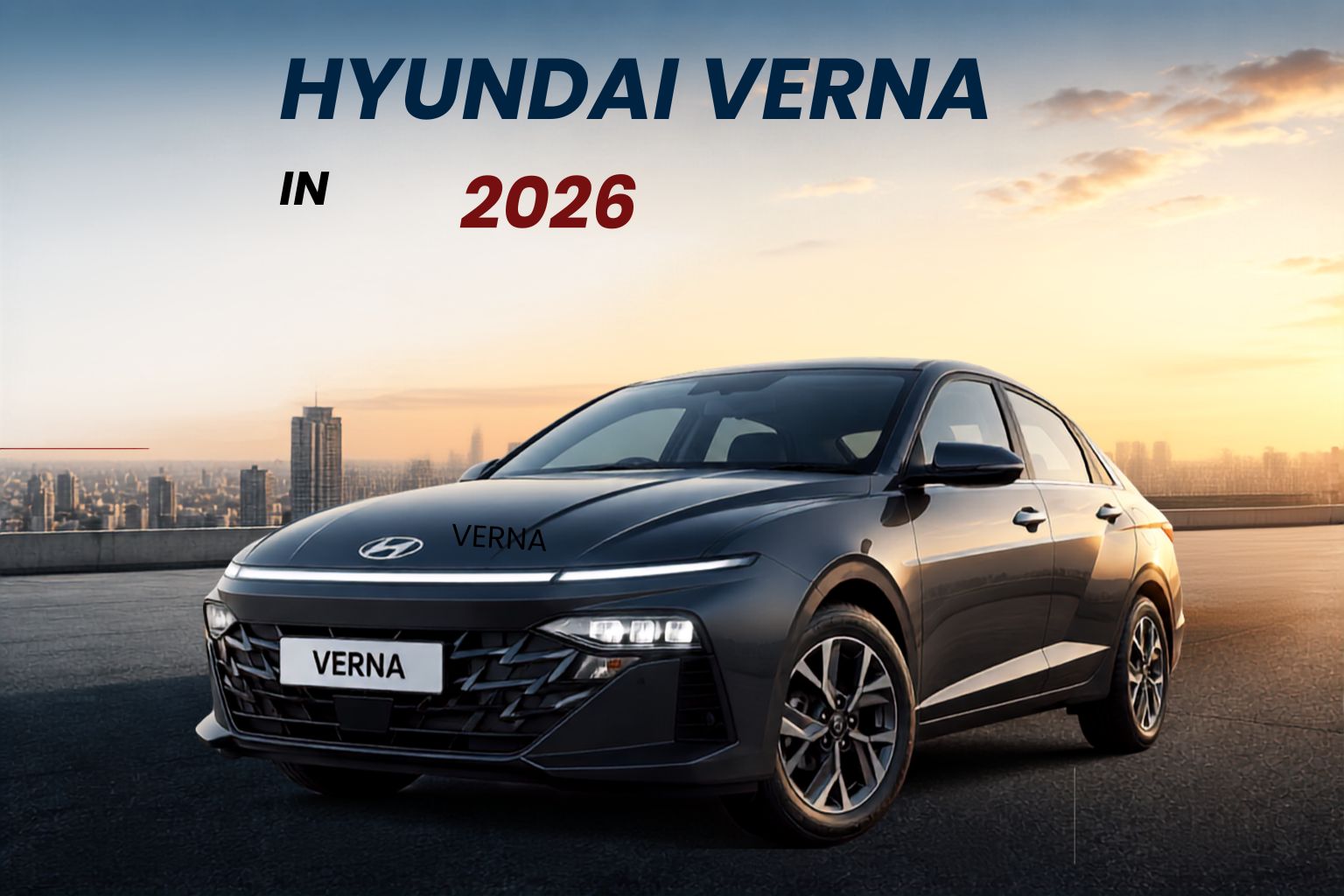
Sagar Sedans might have lost some of their spotlight to SUVs in India, but one nameplate has consistently refused to fade into the background — the Hyundai Verna. With the 2026 facelift now on sale, this midsize sedan has doubled down on everything that made it popular in the first place: sharp styling, a genuinely premium cabin, and a feature list that often outclasses cars from a segment above.
Despite the SUV boom dominating dealership footfall across Indian cities, sedan buyers haven’t disappeared — they’ve simply become more selective, comparing every rupee spent against what a compact SUV offers at a similar price point. That shift in buyer behaviour is exactly why this particular update matters so much this year.
If you’re stuck choosing between an SUV and a sedan, or simply comparing options in the ₹11-18 lakh bracket, this listicle walks through exactly why it deserves serious consideration — along with a few honest caveats worth knowing before you book a test drive.
1. It’s Now Offered Exclusively With Petrol Power
Hyundai made a deliberate call with the 2026 update, dropping the diesel option and focusing purely on petrol engines. The Hyundai Verna now comes with two 1.5-litre petrol units — a naturally aspirated engine and a turbocharged one.
- 1.5L NA petrol: Produces around 115hp and 144Nm of torque, tuned for smooth, quiet city commuting with excellent NVH levels.
- 1.5L turbo-petrol: Delivers close to 160hp, giving the Hyundai Verna genuine highway punch and quick overtaking ability.
This petrol-only strategy might disappoint diesel loyalists who’ve grown used to lower running costs on the highway, but it aligns with how most sedan buyers in this segment actually drive — shorter city runs mixed with occasional highway trips, where refined petrol engines make more practical sense than diesel clatter and the added maintenance complexity that often comes with it.
2. The Cabin Feels Like It Belongs in a Pricier Car
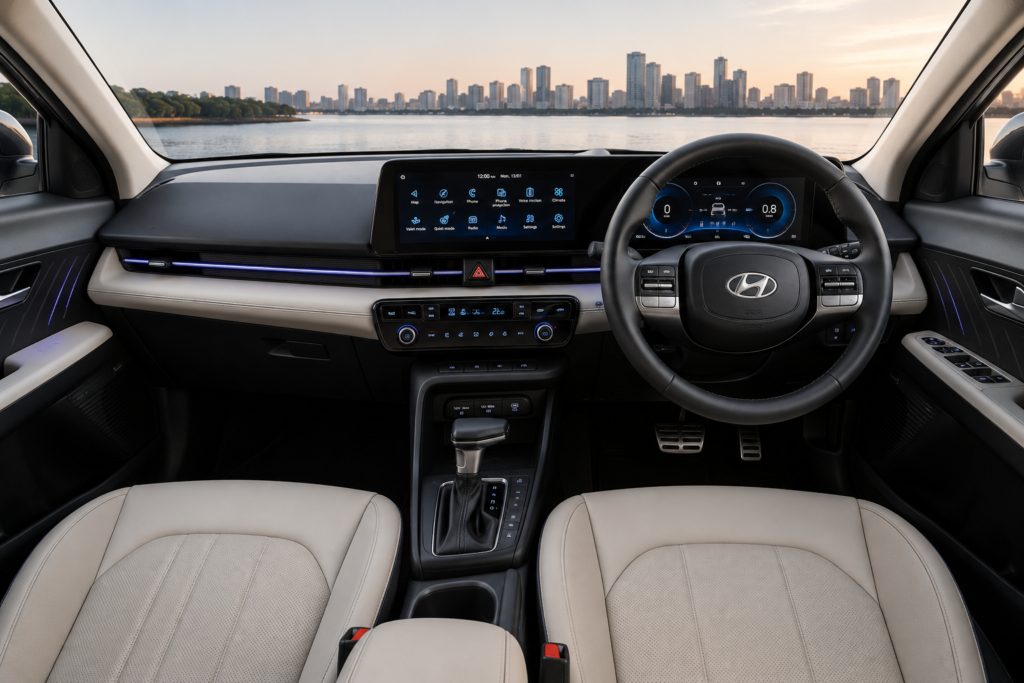
Sit inside the 2026 model and the first thing you’ll notice is how little it feels like a “budget” sedan. Dual 10.25-inch displays dominate the dashboard, the steering wheel has been redesigned to feel sleeker in hand, and the overall layout has a low-set dash that creates an airy, spacious feeling rarely found in this price bracket.
Higher variants add first-in-segment touches like a memory function for the driver’s seat with a welcome feature, an electric walk-in device for the front passenger seat, and a built-in dashcam. These aren’t gimmicks — they’re the kind of details that make daily driving noticeably more convenient, particularly for buyers upgrading from an older hatchback or entry-level sedan who are experiencing this level of cabin tech for the first time.
3. Safety Has Been Pushed Well Beyond the Basics
Safety used to be where budget sedans cut corners. The Hyundai Verna does the opposite. Even the base HX2 variant comes with six airbags, ABS, electronic stability control, and hill-start assist as standard, so entry-level buyers aren’t left exposed.
- Seven airbags on higher trims, extending coverage compared to most direct rivals in the segment.
- Level 2 ADAS on top variants, including lane-keeping assist, forward collision avoidance, and blind-spot monitoring, tuned specifically for Indian road conditions.
- A 360-degree camera and front parking sensors, which make city parking and tight manoeuvring noticeably less stressful.
Hyundai claims more than 75 safety features spread across the range, and while not every buyer will use every one of them, the sheer depth of coverage puts real pressure on rivals like the Honda City and Skoda Slavia.
4. Six Clearly Structured Variants Simplify the Buying Decision
Hyundai also renamed the entire Verna lineup for 2026, moving to a simpler HX naming structure: HX2, HX4, HX6, HX6+, HX8, and HX10. Instead of confusing trim names, buyers now get a clear ladder that makes upgrading decisions much easier to understand.
The HX4, for instance, adds LED DRLs, a sunroof, and alloy wheels over the base HX2, while the HX6+ steps things up further with automatic climate control and additional convenience features. This structured approach means you can pick a Hyundai Verna variant based on the specific features you actually want, rather than guessing what’s bundled where.
5. Rear Seat Comfort That Actually Suits Indian Family Use
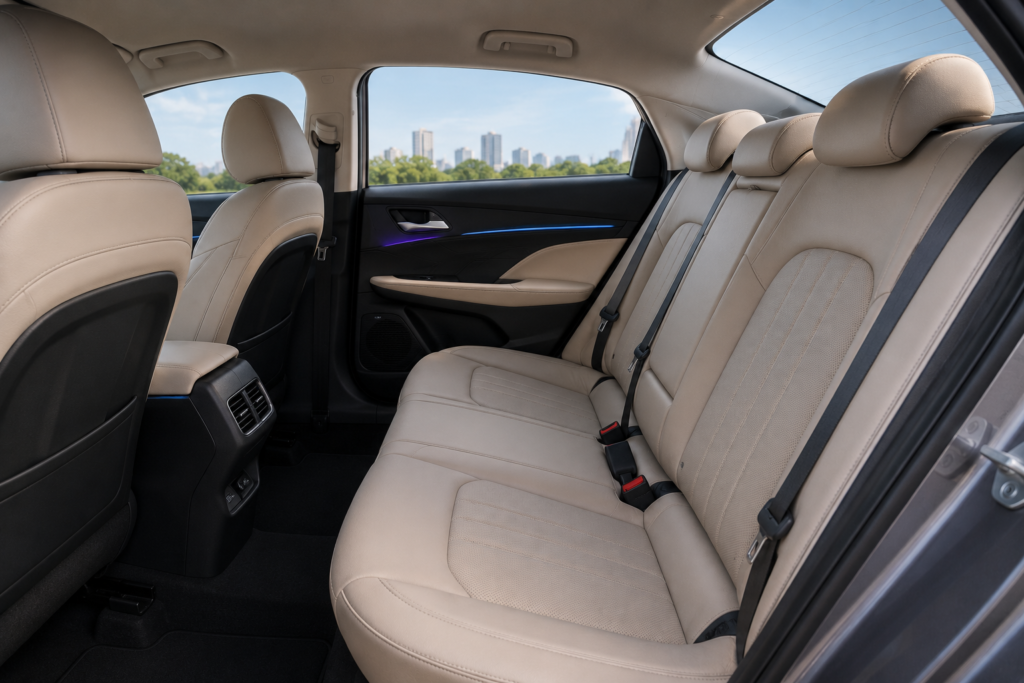
A huge share of Verna buyers in India are chauffeur-driven or prioritise rear passenger comfort, and Hyundai clearly designed around that reality. The long wheelbase translates into genuinely good rear knee room and shoulder space, while the 528-litre boot is among the largest in the segment.
- Rear AC vents keep back-seat passengers comfortable during Indian summers without straining the front climate system.
- Reclining rear seats on select variants add a touch of long-drive comfort usually reserved for bigger cars.
- Low floor hump and wide door openings make it easier for elderly passengers to get in and out comfortably.
This focus on rear-seat livability is a big reason the Hyundai Verna continues attracting buyers who see the car as much for their family as for themselves.
6. A Genuinely Premium Feature List for the Price
Beyond the dual screens, the Hyundai Verna packs in features that feel almost unfair for its price bracket. Ventilated front seats, a Bose premium sound system, wireless charging, and ambient lighting all feature on higher variants, turning daily commutes into something that feels distinctly upmarket.
The eight-way electrically adjustable driver seat, paired with four-way adjustability for the front passenger, is another thoughtful addition that most rivals still don’t offer at this price. Combined with the connected car app that allows remote start, geofencing, and live vehicle tracking, the overall ownership experience feels considerably more modern than the segment average.
7. Strong Highway Manners, Especially With the Turbo Engine
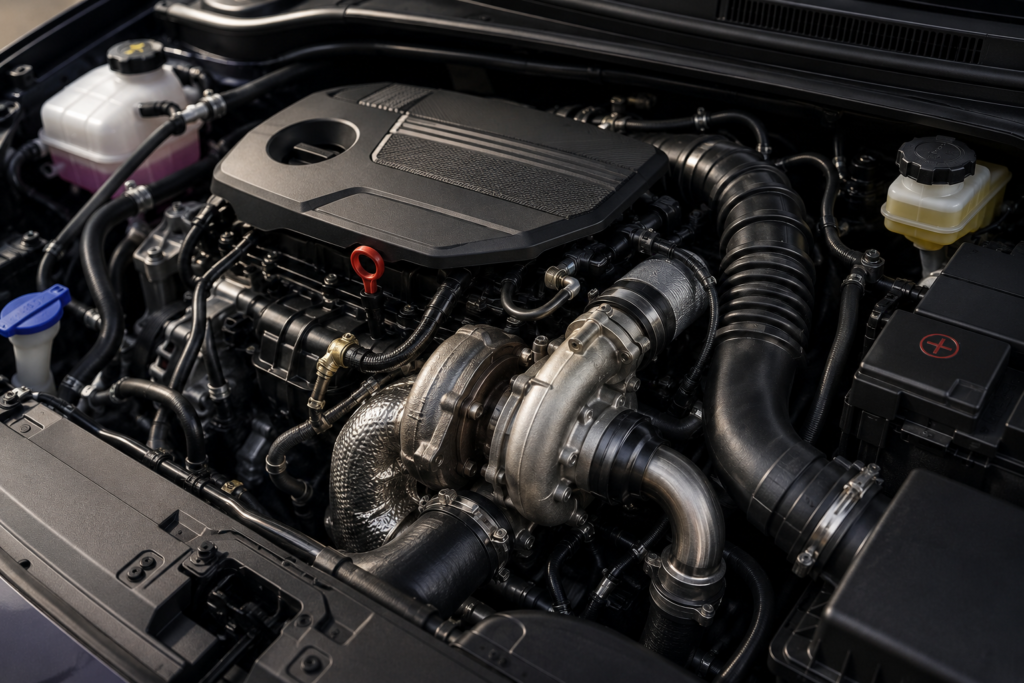
Where the Hyundai Verna genuinely stands apart is highway composure. The turbo-petrol engine, paired with a 7-speed DCT, provides brisk acceleration and confident overtaking, while the sedan’s low centre of gravity and tuned suspension keep things planted at higher speeds.
This is one area where sedans still hold a real advantage over SUVs — better aerodynamics and a lower stance translate into more stable high-speed handling, something highway-heavy drivers and frequent intercity travellers will genuinely appreciate about the Verna’s dynamics.
8. Reasonable Running Costs Without Compromising Performance
Fuel efficiency remains a priority for most Indian buyers, and the Hyundai Verna balances this well across its two engine options. The naturally aspirated petrol variant returns roughly 18.6 kmpl, making it a sensible pick for buyers focused on daily running costs.
- NA petrol variants suit buyers prioritising fuel economy and predictable maintenance costs over outright performance.
- Turbo-petrol variants trade a bit of efficiency for noticeably stronger acceleration, ideal for highway-focused ownership.
- Service costs remain competitive thanks to Hyundai’s widespread dealer network across India, even in smaller cities.
For buyers cross-shopping against turbo-petrol rivals like the Volkswagen Virtus, the Hyundai Verna holds its own on the efficiency-versus-performance trade-off.
9. It Still Competes Confidently Against SUVs on Value
There’s a real argument that sedans like the Hyundai Verna offer better value per lakh than compact SUVs, simply because buyers aren’t paying a premium for ground clearance or a raised seating position they may never use. Given similar or lower pricing, the Verna often edges out SUV rivals on outright feature count and highway comfort.
The trade-off, of course, is the absence of SUV-like ground clearance and the slightly harder ingress and egress for elderly passengers — a fair point buyers should weigh honestly rather than dismiss. Still, for anyone who values on-road dynamics over SUV styling, this remains a compelling reason to consider the Verna over an equivalently priced compact SUV.
10. Backed by a Brand With Deep Trust in India
Beyond the specification sheet, there’s a quieter reason the Hyundai Verna continues to sell steadily — brand confidence. Hyundai has spent decades building a reputation in India for reliability, consistent after-sales support, and strong resale value, and that trust carries directly into Verna ownership decisions.
It’s worth being upfront about a few limitations too. The Hyundai Verna no longer offers a diesel engine, which may disappoint buyers who cover very high monthly mileage. Some rivals also offer a marginally larger boot or slightly punchier base engine specs. None of these are dealbreakers, but they’re worth checking during a test drive before finalising your decision.
Frequently Asked Questions About the Hyundai Verna
Is the Hyundai Verna a good option for families?
Yes. With generous rear seat space, a large boot, and strong safety features across the range, the Hyundai Verna suits family use comfortably, especially for buyers who prioritise passenger comfort over SUV styling.
Which Hyundai Verna variant offers the best value for money?
The HX6 or HX6+ trims are generally considered the sweet spot, offering a strong mix of comfort and safety features without pushing buyers toward the priciest turbo variants.
Does the Hyundai Verna come with a diesel engine option?
No. The 2026 Hyundai Verna is offered exclusively with two 1.5-litre petrol engines — a naturally aspirated version and a turbocharged option.
Is the Hyundai Verna safer than its rivals?
With up to seven airbags, Level 2 ADAS on top variants, and over 75 safety features across the lineup, the Hyundai Verna ranks among the safest sedans in its segment.
Final Thoughts
The Hyundai Verna proves that the sedan format still has plenty of relevance in a market obsessed with SUVs. Between its premium cabin, genuinely comprehensive safety suite, strong highway manners, and a clearly structured variant lineup, it addresses almost every practical need an Indian family or urban professional might have.
It isn’t perfect — the loss of diesel and the absence of SUV-like practicality will matter to some buyers — but for anyone who values comfort, safety, and on-road refinement over a raised driving position, it remains one of the smartest sedan purchases you can make in India this year. Before you sign the dotted line, take the extra step of test-driving both the naturally aspirated and turbo-petrol variants back to back, since the difference in character between the two is significant enough to influence which trim ultimately suits your driving style best.

 Sagar
Sagar